It started with a laundry rack
(Yes, really.)
Picture this: I was moving from Edinburgh to Glasgow. One week I was trying to get rid of my stuff through Facebook groups, messaging friends, and leaving things on the curb with hopeful "FREE" signs. The next week? I was in Glasgow, hunting for the same items I'd just given away.
The breaking point was a laundry rack. The headache of carrying it made me leave it behind. Then I had to buy a new one in Glasgow. A brand new laundry rack. At a time when we can't afford this kind of waste.
It felt absurd.
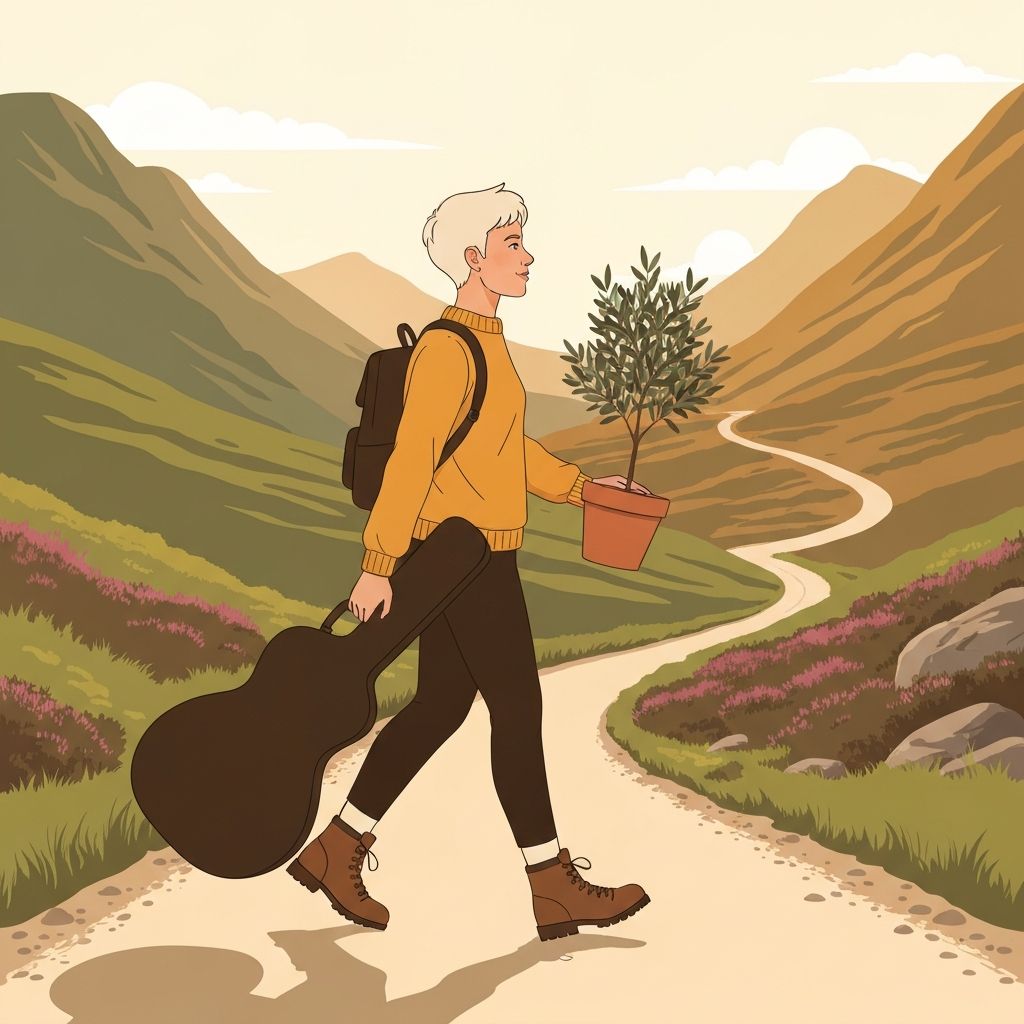
I came to the UK with just hand luggage, a guitar I couldn't play, and an olive tree. Travelling light is kind of my thing.
The lightbulb moment
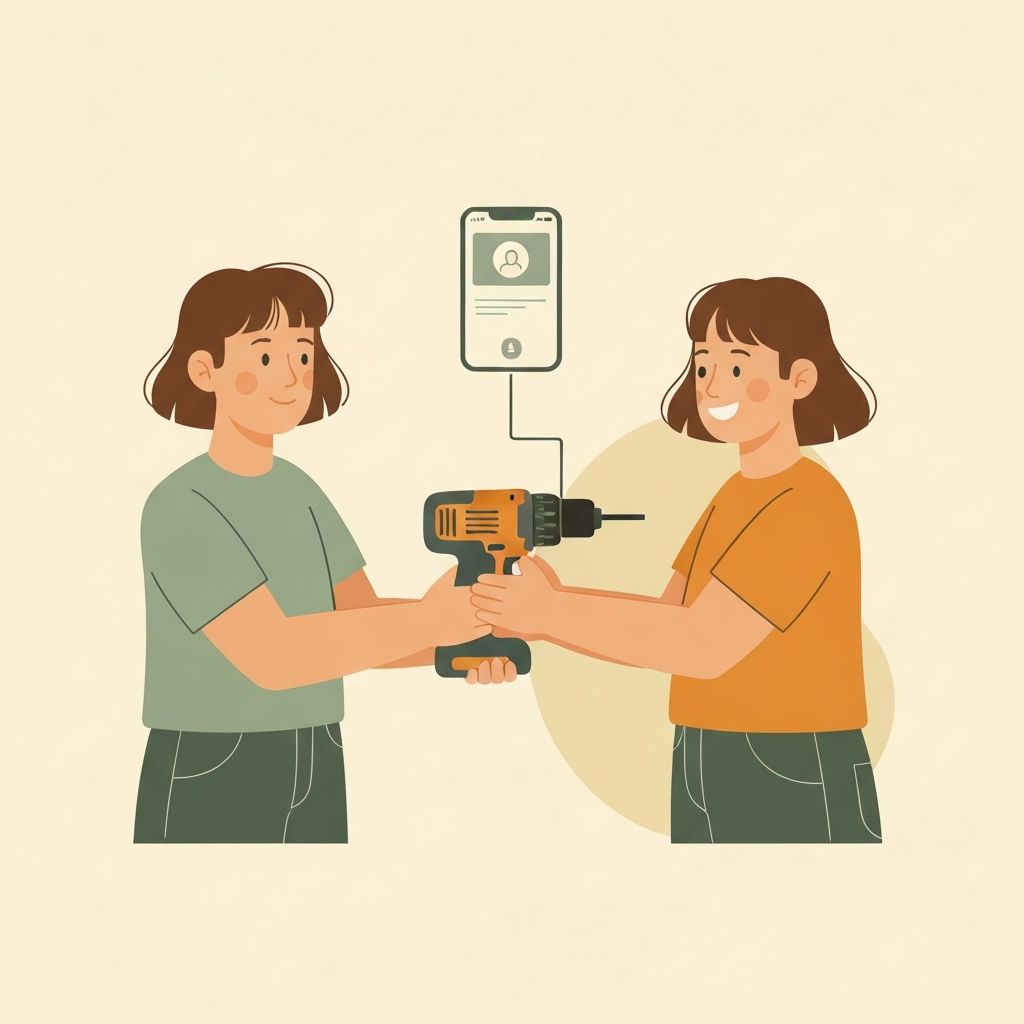
Edinburgh and Glasgow are full of students, transient folks, and people constantly coming and going. I was certain that someone nearby, maybe even next door, was trying to get rid of the very things I was looking for. We just had no way to find each other.
I believe in people
I've hitchhiked across countries and met incredible, kind strangers. I host Couchsurfers and see that sense of community spark again and again. The generosity is already there. We just need to make it easier.
Now I'm settled in one place, but I'm hosting Couchsurfers and I see it every time: a visitor wants to go hiking, or a friend fancies a day in the hills, but one of us is missing gear. So we don't go.
Meanwhile, Scotland is full of hillwalkers with gear sitting in cupboards. The stuff exists. The desire exists. The only thing missing is the connection.
A confession from an ADHDer
My flat is a graveyard of abandoned hobbies. Badminton rackets from my "I'll definitely play every week" phase. Boxing gloves from when I was going to become a fighter (I lasted three sessions). Paints that are still perfectly good but just... sit there, making me feel guilty every time I see them.
Sometimes I do come back to these hobbies, and quite frequently. But in those slump periods, I wish someone else could explore their interests without adding to pollution, financial stress, or the guilt of buying more stuff that might collect dust.
Freedom to bring ideas to life
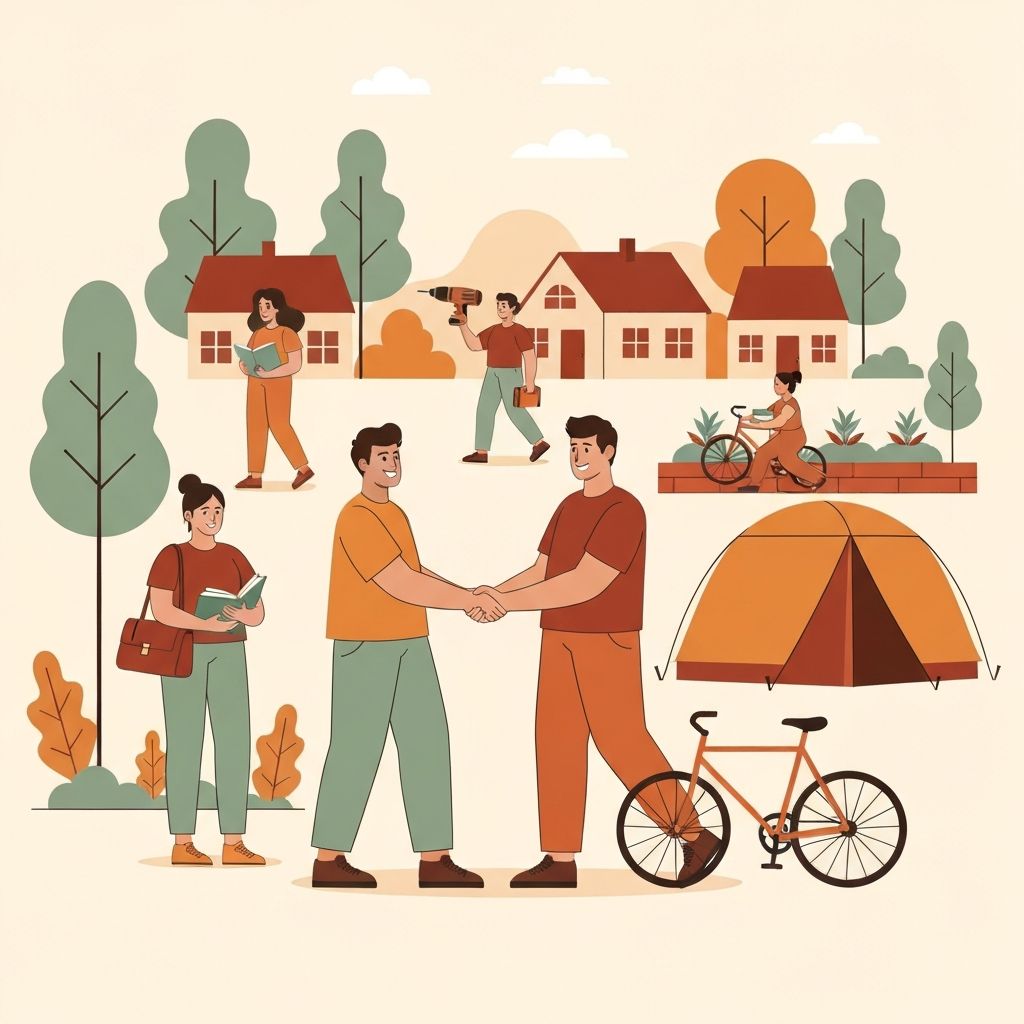
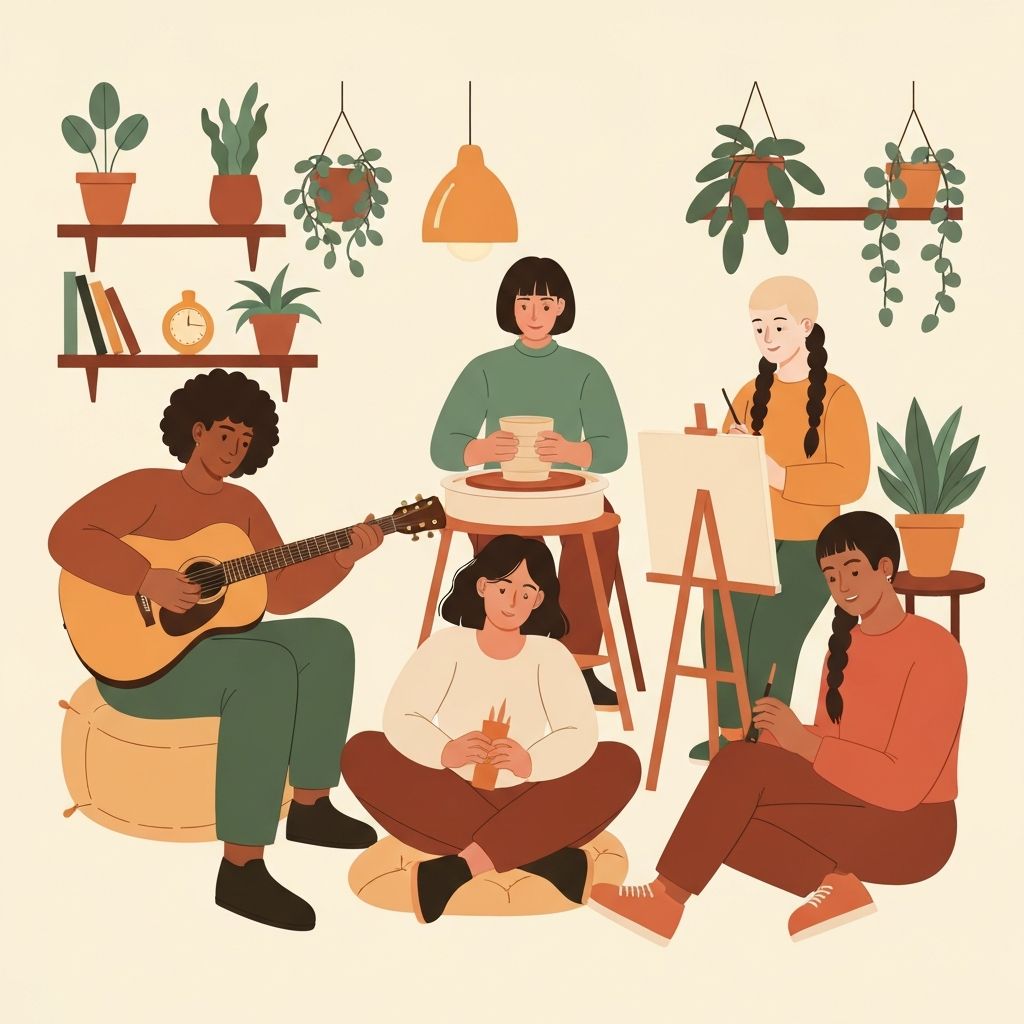
At its heart, StuffShare is about removing barriers. Want to try pottery before committing to a wheel? Borrow one. Thinking about learning guitar? Try your neighbour's first. Curious about camping? Borrow a tent for the weekend and see how it feels. I once bought lifting straps and realised they weren't for me, because building grip strength matters more to my training. Borrowing first would have saved me the money and the clutter.
It works for families too. Kids outgrow bikes, skis, and hobbies faster than you can keep up. Why buy a trampoline when the neighbours' kids have moved on from theirs? For queer folks exploring identity and style, students discovering new interests, or anyone stepping into a new phase of life, the freedom to experiment should come without financial stress or a pile of things you might never use again.
Challenging the prisoner's dilemma
Our entire economic system is built on the assumption that we're selfish, rational individuals who can't manage communal resources. The prisoner's dilemma is basically the backbone of capitalism: the idea that we'll always choose personal gain over collective good.
But that assumption is wrong.
Elinor Ostrom challenged the whole premise. In her Nobel Prize-winning work on the governance of the commons, she showed that communities can self-organise and manage shared resources. She proved it in practice, with real communities looking after shared resources for generations.
I want to build StuffShare to prove her right.
There's amazing work being done in circular economy design for new products. But I keep coming back to a different question: what do we do with all the stuff we've already made?
The average household contains 300,000 items. Most of them are used less than once a month. Meanwhile, someone nearby probably needs what's gathering dust in your cupboard. And here's a heartbreaking fact from my years volunteering in charity shops: most donations never make it to the racks. They get thrown out or shipped abroad. The system is broken.
Simple infrastructure for direct redistribution feels like step one.
More than stuff. It's about connection
StuffShare also challenges the culture of "catching up" over coffee. What if, instead of retelling old stories, we did something new together?
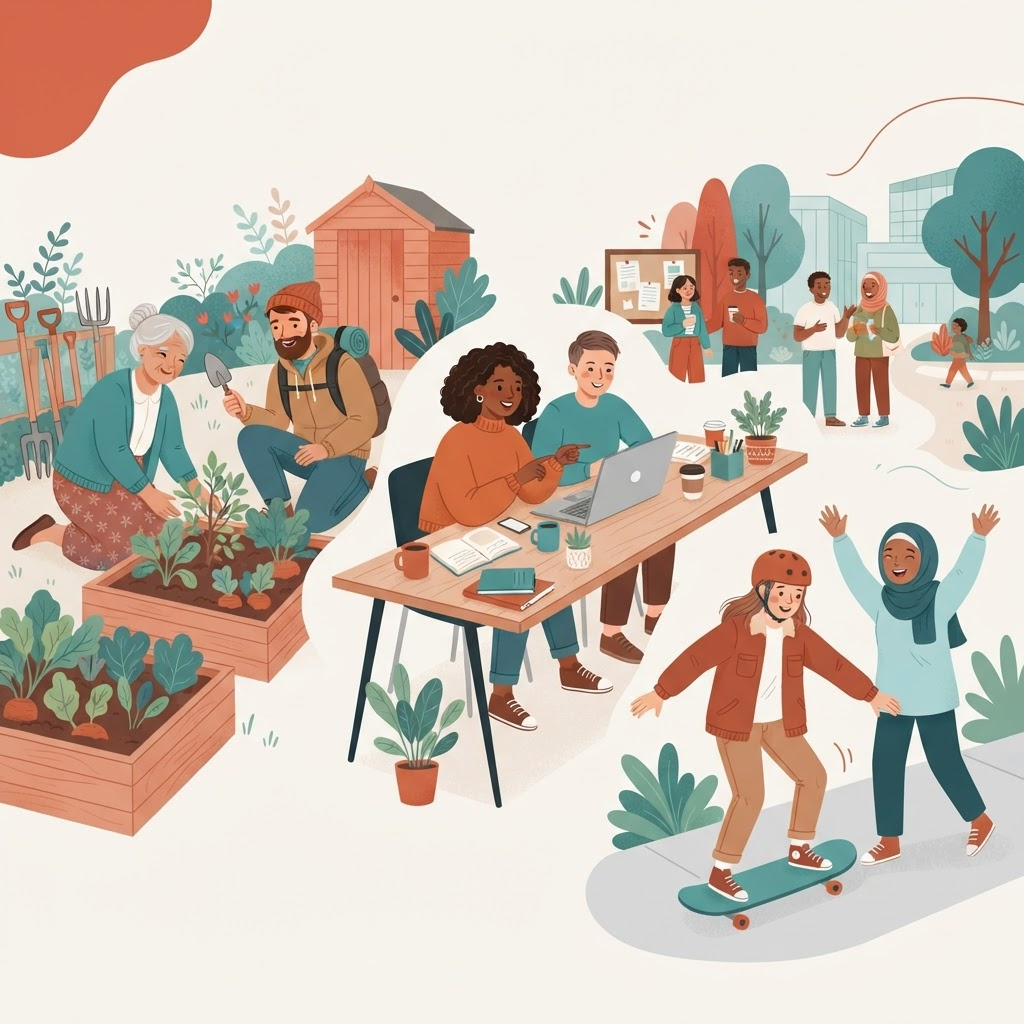
Play badminton for the first time. Learn to skateboard in a city you're visiting. Join a local for a gardening afternoon, or share a coworking day with a fellow nomad. Sharing builds bridges between communities, generations, and cultures, and it introduces you to people you might never have crossed paths with otherwise.
At the end of the day, we remember a wobbly first attempt at skateboarding far longer than one more coffee spent recycling old stories. Trying new things helps us step out of our bubble and see the world in brighter colours.
I want people to feel empowered to explore ideas, hobbies, and possibilities. A lack of access to equipment, gear, or materials should never be a barrier.